
Educator Resources & Lesson Plans
Section 1: Using These Stories in the Classroom
Why Teach This Book?
Leslie Mickel’s books offer a powerful opportunity for educators to engage students in meaningful discussions about history, ethical decision-making, and social responsibility. Through compelling storytelling grounded in real events, these works invite students to explore how individuals and communities respond during times of uncertainty and challenge.
Across stories like Imagine Decency and Imagine Humanity, students are encouraged to reflect on the roles people play—those who step forward, those who follow, and those who stand by. These themes extend beyond historical context, prompting students to consider their own values, choices, and responsibilities in today’s world.
These books also help students connect past events to present-day issues. Themes of courage, resilience, human rights, and civic engagement make them ideal for interdisciplinary learning. Whether used in history, social studies, or ethics-based curricula, they provide a foundation for thoughtful discussion, critical thinking, and deeper understanding of how individual actions can shape broader outcomes.
Through guided conversations and activities, students gain insight into the impact of both individual decisions and collective action—making these stories not only educational, but personally meaningful.
Guidelines for Age-Appropriate Teaching:
When teaching sensitive topics such as the Holocaust and World War II, it is essential to approach the material with care, ensuring that students feel emotionally supported throughout their learning journey. Educators should tailor discussions to the developmental stage and maturity level of their students. Younger students may focus on broad themes of kindness, bravery, and standing up for what is right, while older students can engage in deeper discussions on propaganda, resistance, and the ethical complexities of war and human behavior.
Encouraging student-led inquiry and discussion is crucial in helping them process challenging material. Providing structured reflection activities, such as journaling or guided debates, can allow students to express their thoughts and emotions in a constructive manner. Teachers should also be prepared to address difficult questions and provide historical context that enhances understanding.
For educators seeking best practices on teaching the Holocaust, numerous well-established organizations provide guidelines and instructional frameworks. One of the most comprehensive resources is the United States Holocaust Memorial Museum (USHMM), which offers guidance on fostering respectful, fact-based discussions about genocide and historical atrocities.
Section 2: Historical Context & Background Information
Understanding the Holocaust & Genocide Education
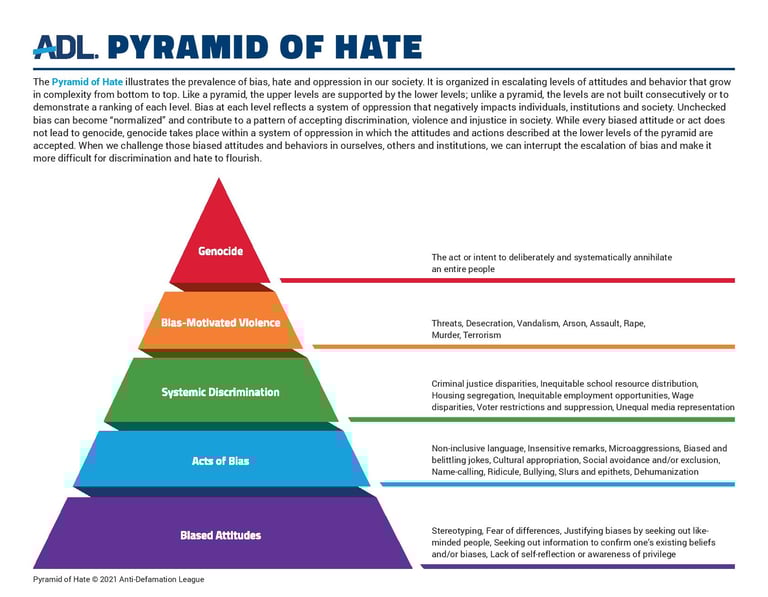
Teaching the Holocaust and genocide education requires an approach that extends beyond simply recounting historical events. Students must be guided to understand how societies move toward such atrocities, recognizing the warning signs and gradual escalation that leads to acts of mass violence. One of the most effective tools for introducing this concept is the Pyramid of Hate, which illustrates how biased attitudes and discrimination can evolve into violence and genocide.
The Holocaust did not happen in isolation or overnight; it was a result of years of propaganda, discriminatory laws, and dehumanization. Helping students recognize these patterns in history empowers them to critically analyze contemporary societal issues. Exploring the steps that led to the Holocaust allows students to see how small acts of exclusion, prejudice, and misinformation can escalate into larger forms of injustice.
Understanding the Path of Human Behavior
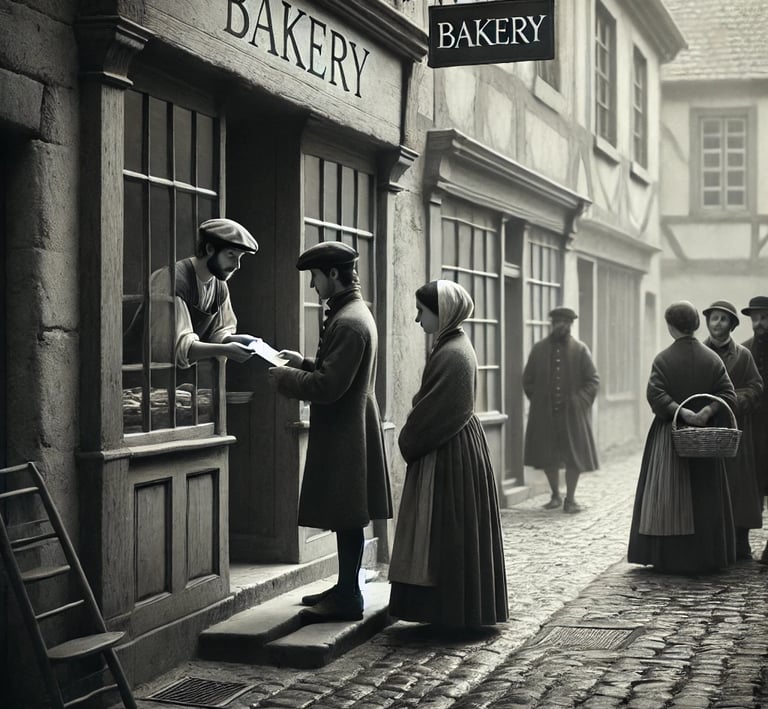
Harmful actions rarely begin with major events—they often start with small, everyday choices. Assumptions, labels, or casual comments can shape how we see others, and over time, those small moments can grow into patterns of exclusion, silence, or even direct harm. When these behaviors go unchallenged, they can become normalized, making it easier for larger injustices to take hold.
But this path is not inevitable—it is shaped by individual decisions at every step. Just as harm can build gradually, so can courage, compassion, and humanity. By recognizing these moments early and choosing to act with awareness and empathy, individuals have the power to shift outcomes in a meaningful way.
Why This Matters
Understanding how small actions can lead to larger consequences helps us reflect on our own choices. It encourages us to move beyond being passive observers and instead become active participants in creating a more respectful and compassionate environment. Whether in history or in our everyday lives, the decision to speak up, include others, or act with integrity can make a lasting difference.
Denmark’s Role in WWII and Resistance Efforts
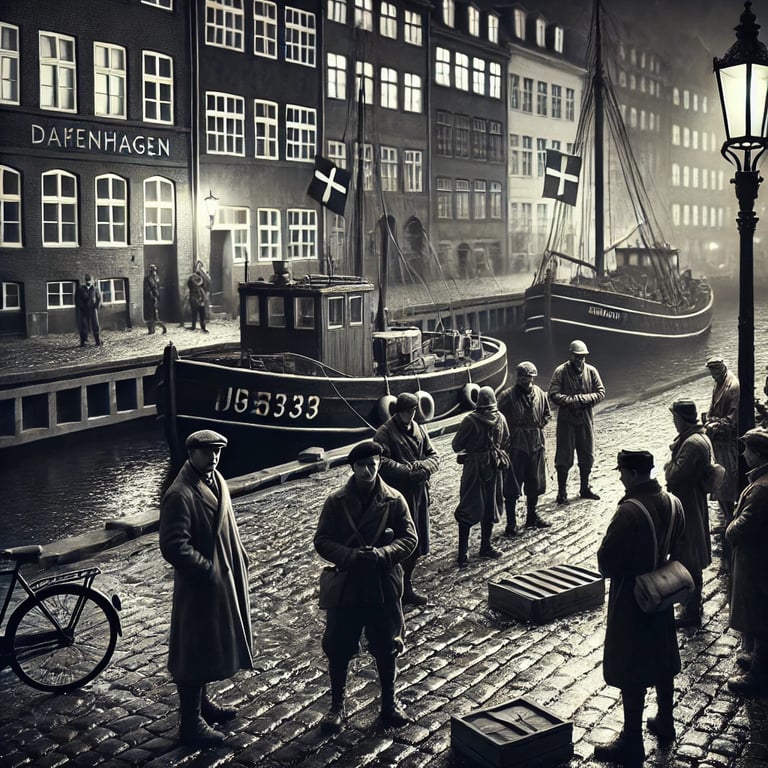
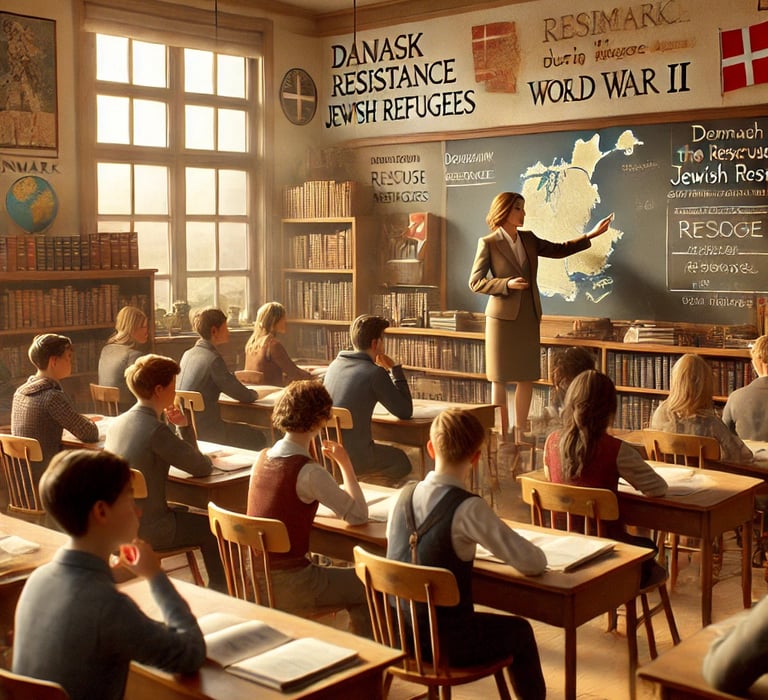
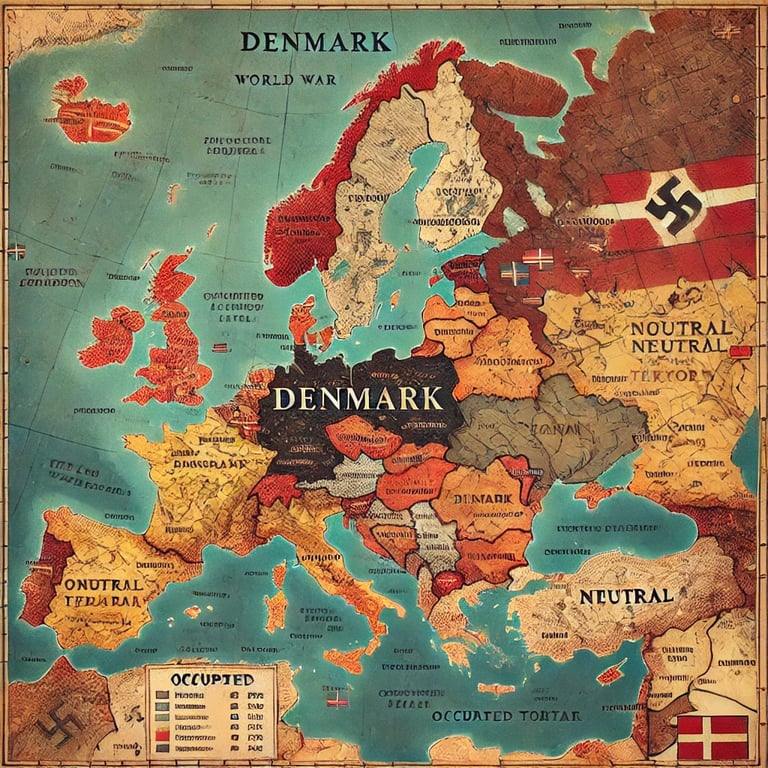
A particularly powerful lesson in Imagine Decency is Denmark’s response to the Nazi occupation. Unlike many occupied countries, Denmark demonstrated extraordinary efforts to protect its Jewish population. In October 1943, when the Nazis planned the mass deportation of Danish Jews, the Danish resistance—along with ordinary citizens—mobilized to smuggle over 7,000 Jews to safety in Sweden. This act of defiance is one of the most significant examples of national resistance during WWII and highlights how everyday individuals can stand up against injustice.
Educators can guide students to analyze why Denmark’s approach to Nazi occupation differed from that of other countries. Discussions can explore questions such as:
What factors enabled the Danish people to take such a united stand against Nazi policies?
How does Denmark’s response compare to that of other occupied nations like France, the Netherlands, or Poland?
What lessons can modern societies learn from Denmark’s actions during the Holocaust?
Section 3: Lesson Plans & Classroom Activities
Engaging Students Through Interactive Learning
This section provides structured lesson plans and classroom activities designed to help students deeply engage with the themes in Imagine Decency. These lessons encourage critical thinking, ethical reflection, and meaningful discussion on both historical events and contemporary social issues.
1. Reflective Reading & Discussion
Students will independently read Imagine Decency, taking notes on their thoughts and responses to the guiding questions within the text. They will then participate in peer discussions to compare their interpretations and perspectives. The goal is to encourage reflection on how personal experiences and values shape understanding.
2. Personal Reflection Writing Activity
Students will write about a time when they were an upstander, collaborator, or bystander in their own lives. This activity helps students analyze their past choices in a judgment-free way, encouraging self-awareness and discussion on ethical decision-making.
3. Survivor Story Comparisons
Students will research and compare the experiences of Holocaust survivors from different countries. By examining survivor testimonies from Denmark, Germany, France, and Greece, students will gain a broader perspective on the Holocaust’s impact across Europe.


Section 4: Additional Educator Resources
To further support educators in teaching, we have compiled a list of recommended external resources, lesson plans, and historical archives.
📚 Recommended Holocaust & Human Rights Reading List
Night by Elie Wiesel
Survival in Auschwitz by Primo Levi
The Book Thief by Markus Zusak
Number the Stars by Lois Lowry
They Called Us Enemy by George Takei
🎥 Documentary & Film Suggestions
Schindler’s List (1993) – A dramatized account of Oskar Schindler’s efforts to save Jewish lives.
The Pianist (2002) – A true story of a Jewish musician’s survival in Nazi-occupied Poland.
Defiance (2008) – The story of Jewish partisans resisting the Nazis.
Anne Frank Remembered (1995) – A documentary based on Anne Frank’s diary and historical footage.
🌍 Holocaust Museum & Online Archives
The Shoah Foundation – Visual History Archive
📝 Printable Worksheets & Classroom Activities
To make these resources more accessible for educators, we have compiled a set of downloadable lesson plans, worksheets, and classroom activities: